
Supporters
Clinical and scientific guidance that keeps us honest.
The BlueLight Bandage is being built with a safety-first, evidence-first mindset. That only works if the project stays grounded in real medicine: what infections look like in practice, what “safe” actually means at the tissue level, and what will be required for future clinical translation. The people below provide perspective, feedback, and domain expertise that help us design responsibly and communicate accurately.
Support roles vary—some advisors review concepts, others provide research strategy or clinical relevance. Unless explicitly stated, listing a supporter does not imply institutional endorsement of a commercial product; it reflects individual guidance and professional interest in the problem we are solving.
Advisors and supporters
BlueAid’s mission is simple: turn visible blue light into a practical, wearable infection‑prevention tool that can be used safely in the real world. Our supporters help pressure‑test the science, challenge assumptions, and keep our work oriented toward outcomes—reduced infections, reduced antibiotic dependence, and a dressing that fits naturally into existing workflows.
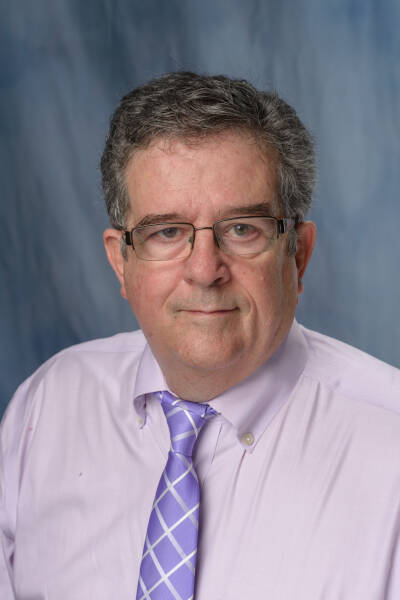
Dr. William L. Allen
Dr. Allen is a physician and researcher with a professional focus on ethical research practices and the responsible translation of emerging medical technologies. His work centers on ensuring that innovation in healthcare proceeds with rigorous attention to patient safety, ethical oversight, and long-term societal impact. With experience evaluating research methodologies and ethical frameworks, Dr. Allen brings a critical perspective on how experimental technologies can be developed responsibly and aligned with established standards of medical ethics. In connection with the BlueLight Bandage project, Dr. Allen has provided ethical and conceptual guidance during early development, helping inform how the technology is framed, tested, and communicated. His perspective has been particularly valuable in reinforcing the importance of non-invasive, non-pharmacologic approaches that minimize patient risk while addressing urgent clinical challenges such as infection prevention. His involvement reflects a commitment to thoughtful, ethically grounded innovation in medicine.
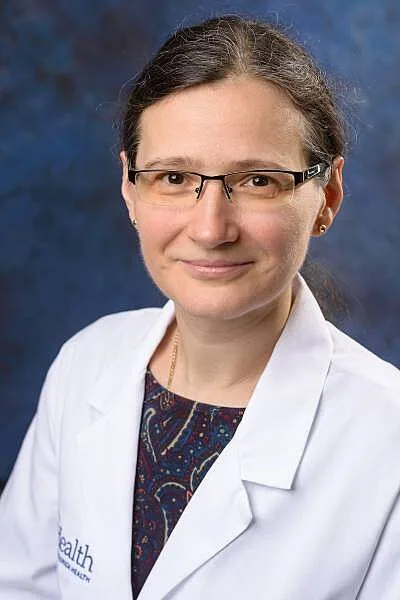
Dr. Stefania C. Bray
Dr. Stefania Bray is a board-trained family medicine physician with direct clinical experience treating patients across a wide range of conditions, including wound care and infection management. Her practice emphasizes practical, patient-centered solutions that can be realistically integrated into everyday clinical workflows. This frontline perspective gives her a unique ability to assess whether emerging medical technologies address real needs encountered in outpatient and primary care settings. In reviewing the BlueLight Bandage concept, Dr. Bray expressed strong interest in its potential clinical relevance, noting, “I really hope this reaches my clinic.” Her reaction reflects the project’s alignment with unmet needs in infection prevention, particularly solutions that reduce reliance on antibiotics while remaining safe and easy to use. Dr. Bray has offered clinical insight on how such a device could fit into routine care environments, helping ground the project in real-world medical practice rather than theoretical application alone.
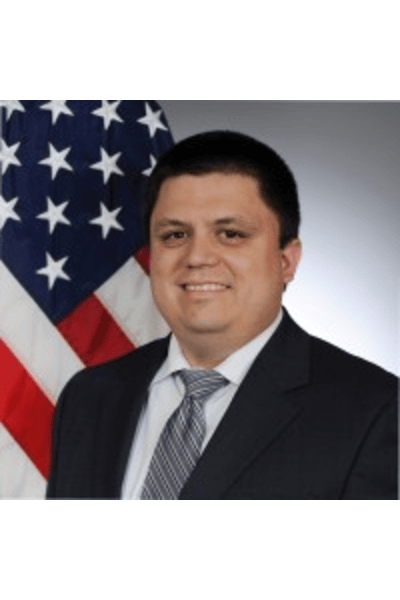
Cristobal Wallace
Cristobal Wallace is a civil and environmental engineer with a background in systems-level thinking, safety analysis, and sustainable design. His training emphasizes how engineered solutions interact with human environments, infrastructure, and long-term resource use. This perspective is particularly relevant to healthcare technologies that aim not only to improve outcomes, but also to reduce waste and unintended environmental impact. As a supporter of the BlueLight Bandage project, Cristobal Wallace has contributed an engineering and sustainability-focused viewpoint, helping consider how a reusable medical device might perform across repeated use cycles and varied settings. His insight supports the project’s broader vision of combining clinical benefit with responsible design, ensuring that innovation in wound care also accounts for durability, safety margins, and environmental considerations.
Want to support the work?
If you are a clinician, researcher, engineer, or organization interested in antimicrobial photomedicine, we would love to connect. We are actively building relationships for future MRSA testing, device validation, and translational planning.
Join Us